

Professional cleanings, fluoride and sealants that remove buildup, protect your enamel and help you avoid cavities and gum disease.
Plaque and hardened tartar gather along the gumline and in the grooves.
An illustration of an upper molar’s chewing surface.
A cleaning, in three layers
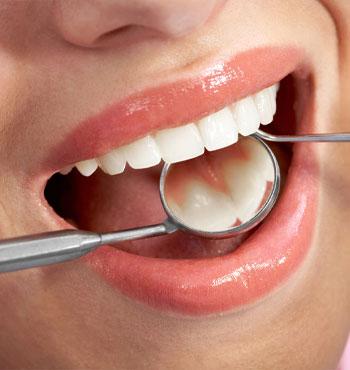
Clean
A professional cleaning removes the plaque and hardened tartar that daily brushing and flossing leave behind, especially along the gumline and between teeth. Paired with a regular exam, it is one of the simplest things you can do for your long-term dental health.

Protect
Prevention also includes protective treatments. Fluoride strengthens enamel and can help reverse very early decay and sealants cover the deep grooves of back teeth, where cavities often start. We recommend them based on your risk, not by default.

Catch early
Most dental problems develop slowly and quietly. A small cavity or early gum inflammation rarely hurts, which is why regular visits matter: they give us the chance to spot changes while they are still easy to manage.
Step by step, thread by thread

Step 1: Gum health check
Your hygienist examines your gums, measures the pockets around each tooth and notes any bleeding, recession or areas that need extra attention.
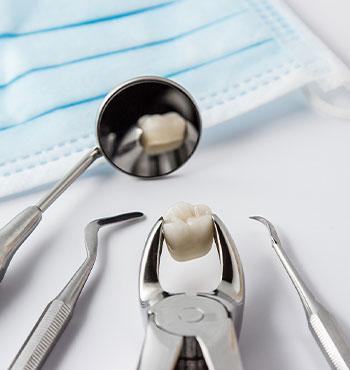
Step 2: Cleaning
Plaque and tartar are removed from the tooth surfaces and just below the gumline, then your teeth are polished and flossed so they feel smooth.

Step 3: Protective treatments
Depending on your needs, we may apply fluoride to strengthen enamel or place sealants to shield the grooves of back teeth.

Step 4: Exam and home plan
Dr. Brar reviews the findings and examines your teeth. We go over brushing and flossing technique and set a recall interval that fits your risk.
Find the one that sounds like you
- No. 1
You are due for your regular six-month cleaning.

- No. 2
You tend to get cavities even though you brush regularly.
- No. 3
Your gums bleed when you brush or floss.
- No. 4
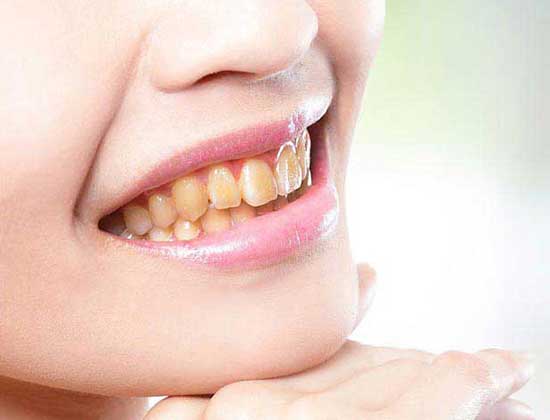
You can see or feel tartar along your gumline.
- No. 5
You have children whose permanent molars are coming in.
- No. 6
You take medications that leave your mouth dry.
If one of these is you, a cleaning is a good place to start.
Book a cleaningWhat regular care keeps for you
Fewer surprises
Regular visits mean small issues are found while they are still small, which can mean simpler treatment later.

Healthier gums
Removing tartar reduces inflammation and bleeding and helps keep gum disease from progressing.
Stronger enamel
Fluoride and sealants add a layer of protection where cavities most often begin.
Fresher breath
Bacteria trapped in plaque and tartar are a common cause of persistent bad breath.
Keeping it polished
Watch the habits tick off or tick your own. It is only for you; nothing is saved.

Small habits, every day, keep a cleaning going.
Common questions about cleanings
Finding 01 / 04Doux Dental
How often should I have my teeth cleaned?
Every six months is common for healthy mouths. If you have gum disease, a history of heavy tartar or certain medical conditions, we may recommend every three or four months.
This page is general information, not dental advice and does not replace an examination. Every mouth is different; your dentist will recommend what is appropriate for you.
You may also be interested in
Book online in a couple of minutes or call and a real person will help you find a time that works.